Chapter 6: Death of Pharoahs First Born Son
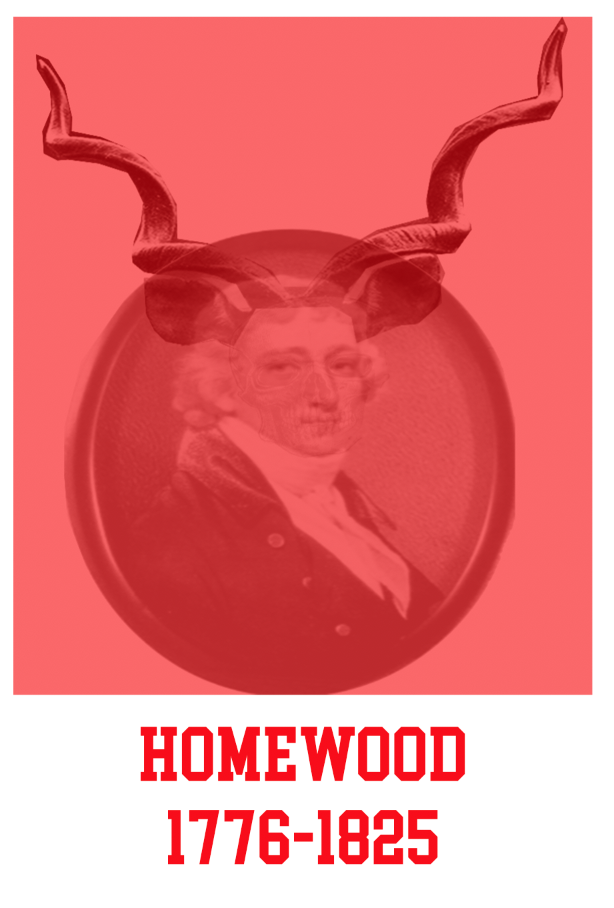
Up to this point each chapter in some way has paired a Charles Carroll with an institution of American slavery that they were spiritually at the center of. The preface set the scene: the enslaved people on Carroll plantations were practicing the same conjure as Tupac. Chapter 1 compares five generations of white men named Charles Carroll, because there are black ones too, to the pharaohs of Egypt, in a Biblical sense. Throughout this chapter there are many black men named Moses, at the center of black life on Carroll plantations. This real life comparison was at the center of the people's spirituality that predated the slavery. Chapter 2 shows how Charles Carroll the Settler, as in Settler colonialism, was virtually a twin of the Royal Africa Company, and the two collaborated to create the foundation of American slavery. Chapter 3 aligns Charles Carroll of Annapolis with slave breeding techniques that presaged the domestic slave trade by 100 years. And Chapter 4 and 5 align Charles Carroll of Carrollton with the attitudes toward slavery that presaged Jim Crow by a hundred years after that. This chapter will show how Carrollton's son, Charles Carroll of Homewood, had a relationship with the American Colonization Society that mirrored his great grandfather's relationship with the Royal Africa Company. What is the American Colonization Society, or the Society as its known to its members, you ask?
The ACS was a society of white men who were motivated, organized and financed to take free black people, especially in Maryland where there the most free black people, back to Africa. This effort and the people who went became the country of Liberia Africa.
In Exodus 4:22-23 the Lord commands Moses to tell Pharoah that if he does not let the Israelites leave Egypt to worship him in peace, he shall kill the Pharaoh’s first born son.
The Pharoah does not free God’s people. And the Pharaoh outlives his first born son.
At the turn of the century when the international slave trade was outlawed and Thomas Jefferson made a large portion of land from Napoleon’s France the United States, a Civil War seemed eminent.
Many first born sons would die in the American Civil War. But before this plague reached Maryland's shores Charles Carroll of Homewood was the fourth generation of slave-owning Carroll men, and more than past generations, he was known in public record for his drunkenness, womanizing, violence and early death.
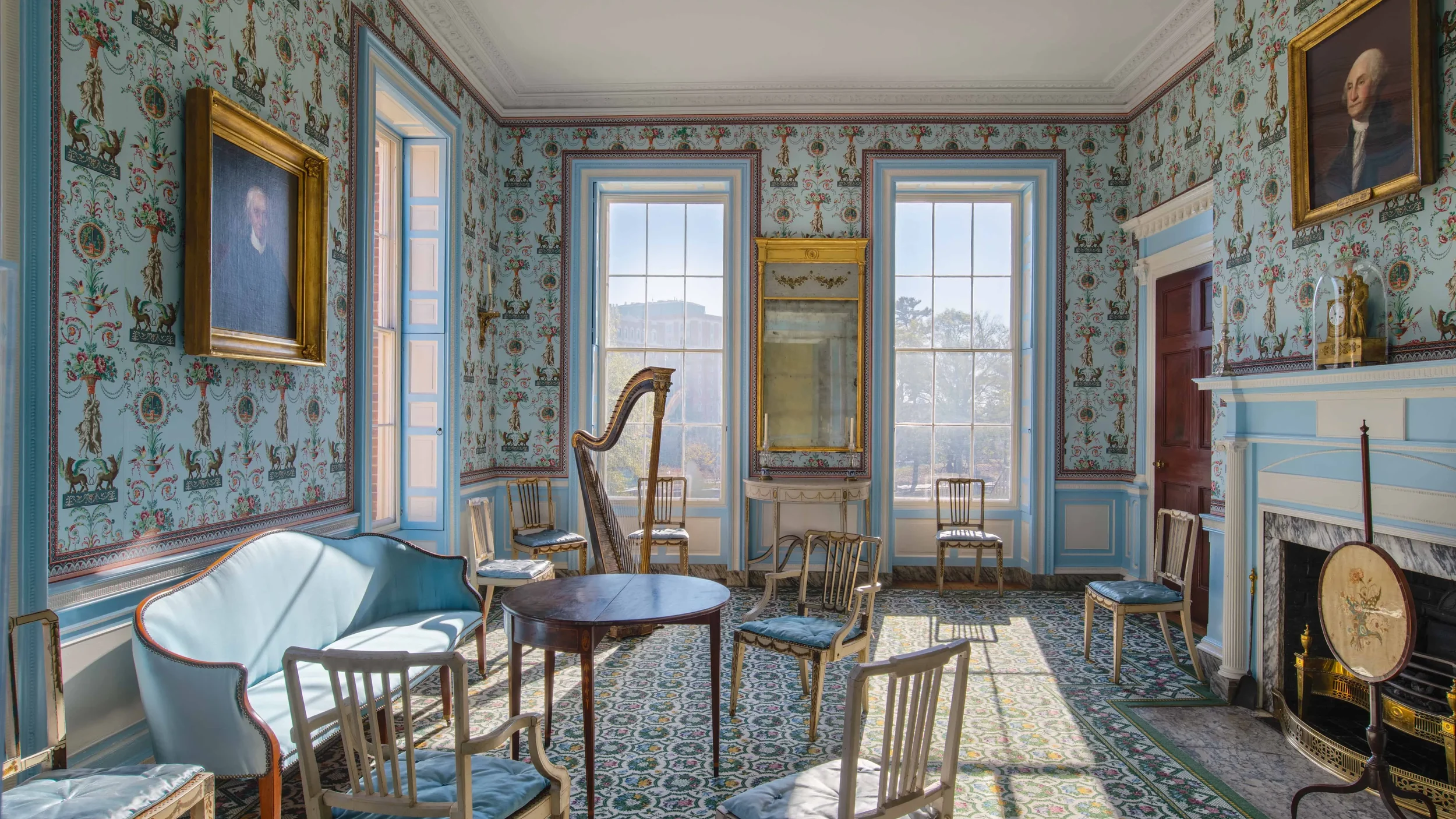
Living room at Homewood with portraits of CCC and George Washington, on opposite walls like during CCH lifetime, to honor their friendship.
Perhaps the one positive contribution during his life was his construction of the Homewood estate. Homewood, at the time, the most expensive property in Baltimore, later the centerpiece of Johns Hopkins University Undergraduate Campus. The fact that the house was $20,000 ($500k today) over budget fit with CCH’s reputation as a pampered failure, a reputation that couldn’t have given him much credibility in society or among the enslaved people he owned.
CCC was a cruel master who felt little sympathy for the plight of the enslaved, and justified his coldness with business savvy. But even he wrote to CCH, admonishing him for his poor treatment and neglect of the enslaved people under his control.
Many Americans believe that after the Revolution of 1776, slavery steadily declined in necessity and intensity, but the opposite is true. Many anticipated slavery would be phased out with the declining tobacco industry and the eventual 1808 illegality of the international slave trade.
However, the combination of the cotton gin and heightened class tensions brought about a more violent and deadly form of slavery. The early 19th century brought about the domestic slave trade, or Second Middle Passage. Like any commodity whose supply is restricted to local providers, the value of slaves increased since there was no longer the prolific African pipeline. This restriction intensified efforts to limit escapes and grants of freedom. Two trends occurred at this time: increased legalization of slave ownership and capture and increased cruelty and violence toward enslaved people. Thousands of enslaved and free black people were raped, bred, separated from their families, and/or sent to the deep south to die on sugar and cotton plantations.
As one of the largest, if not the largest, slaveholders in the state of Maryland, the Carrolls had a unique interest in preserving their slave holdings and benefitting from this increase in value. Since they were already involved in the slave trade, involved is an understatement, they were also uniquely positioned to benefit from the Second Middle Passage. The Second Middle Passage is a reference to the original journey of black enslaved people from Africa to the Americas, often via the Caribbean. The Middle Passage was illegalized in 1808 by the ban on international slave trade. The Second Middle Passage was the domestic slave trade, where enslaved people were traded from plantation to plantation often between states. The Chespeake was especially fertile ground for the domestic slave trade given the decline of the tobacco industry and move to deeper South crops like cotton. Hence the importance of the cotton gin in the
Given the Carroll’s propensity for greed, self-interest, and violence, the record is clear, they led the charge toward this new way of governing the enslaved. In this chapter we will see how the plantation politics factored directly into the cruelty and finances of slavery. Enslaved people were not traded or sent away randomly.
There is this thing that mainstream history does to silence the enslaved. Where we are to assume all the actions of the slaver are rational economic actions. However this is far from the truth. Yes. People were sent away for profit, for bad behavior, rebellion or because they were the illegitimate children of their owner. But People were sent to undermine community cohesion, or just because they were unliked. But more often people were traded away for financial gain. Older enslaved people who began to cost more money than they could produce, promising young boys and girls…
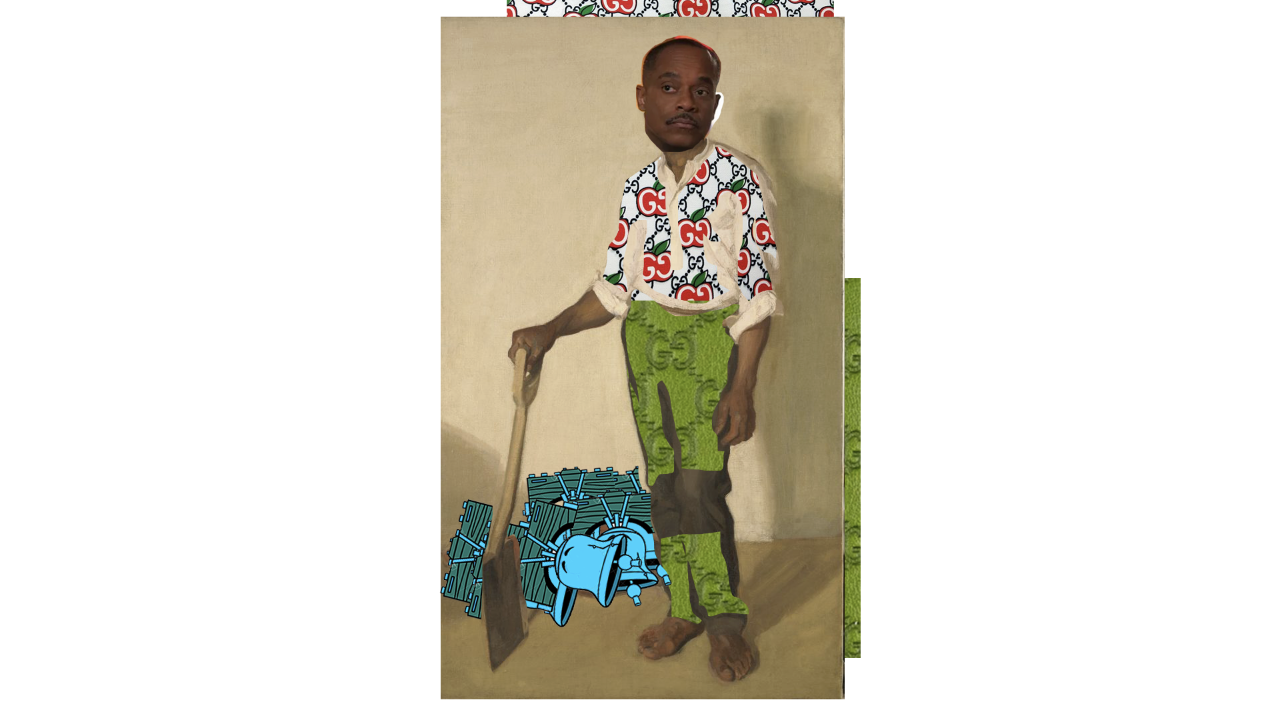
Izadod Conner Art by Me ft. Rocky Carroll as Izadod Conner
Isadod Conner b. 1779
The life of Isadod Conner, probably a direct relative of both Carrolls, embodies the growing cruelty of slavery and how the Carrolls lead this charge. Isadod and CCH were only 4 years apart and both were children of the 1776 American Revolution. Isadod Conner was a skilled gardener at Doughoregan, and was allowed to marry and have children with a woman named Cis Conner. CCH wanted Isadod to be his personal gardener at the newly constructed Homewood. Based on the tidy appearance of the estate, we can assume that CCH wanted his gardens to be beautiful, but he also had a separate agenda; to break Isadod and establish his authority separately from his father.
Like his father and grandfather before him, CCH spent his adolescent years being educated in Europe.
During his absence, his father had become a celebrity and so, as the property of Carroll, the enslaved people of Maryland, especially those close to Baltimore, had achieved varying degrees of privileges. These might include lending themselves out to work, establishing a personal garden for food, and even, rarely, manumission (conditional freedom). At the beginning of the 19th century, Baltimore had the largest population of freed enslaved, but this was more out of economic expediency than charity on behalf of the enslavers. When CCH requested Isadod, CCC at first refused to allow Isadod to work at Homewood, claiming that he didn't want to split Isadod's family, but CCH insisted.
Testimonials and first hand accounts paint CCH as a violent drunkard and historians casually dismiss him as an alcoholic, or possibly the victim of mental instability due to his mother’s heroin addiction. But both could have contributed to why the enslaved people preferred not to work for CCH. The family tensions in the white Carroll household manifested as violence against the black people that they enslaved. In the following 1808 letter, CCC writes to CCH in response to a vicious beating he has given Isadod Conner, suggesting that CCH limit his beating of Isadod.
“Let me recommend to you never to strike a servant in anger; when your negroes commit a fault deserving punishment, and not to be overlooked, take them to Homewood have them stript and tied up and make Ben in your [sic] presence give them 25 lashes well laid on: if the fault is heinous, 39 lashes should be inflicted. Correct but seldom but when you do correct, let not the correction be a trifling one. I hope confinement for a day or two will cure the hurt you received on your shin from the but [sic] end of your whip. Izadod must have done something terrible
The casual acceptance of extreme violence and brutality in this passage is what is striking at first glance, but upon further review an extremely important detail emerges that reveals many intertwined dynamics between the Carrolls and the people they enslaved. It is significant that CCC is more concerned about CCH’s self-inflicted wound to his shin than the well being of Isadod. What is the significance of 39 lashes? “Thirty-nine lashes” is a biblical reference to Deutornomy, wherein 39 lashes is the prescribed upper limit to the punishment of a slave to avoid the maximum 40 lashes allowed. As advocates for “religious freedom,” due to their own experience as oppressed Irish Catholics, the Carroll’s claimed to have allowed their slaves the same religious freedom that they aspired to for the fledgling colony. But this letter tells a different story, where the enslaved people’s lives were so controlled by religious rigor of a perverse brand of Catholicism that even the number of their whippings was determined by Biblical verse. This violent beating would only foreshadow the cruelty of Isadod’s tragic and mysterious death in the Louisiana Delta. But before the end of his life, Isadod would see CCH unravel. The incident that ended CCH’s family life, and likely catalyzed his early death, was the Charity Castle scandal.
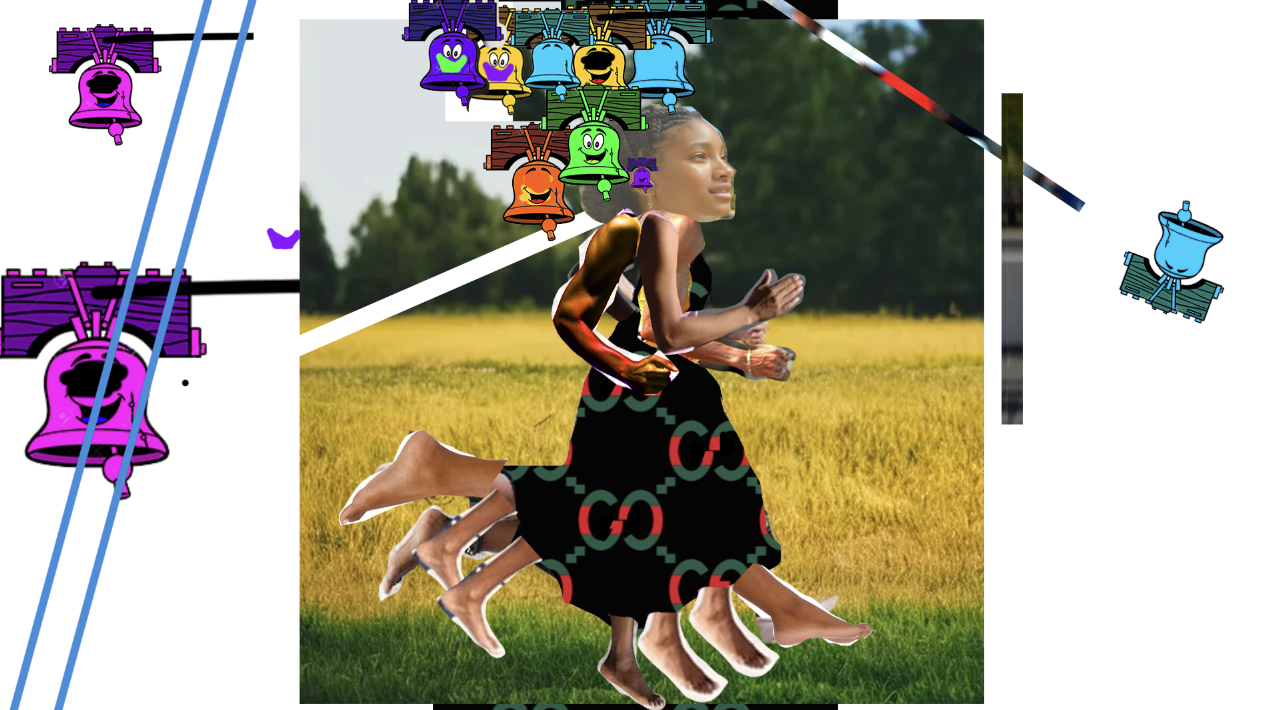
Charity Castle Art by Me ft. Willow Smith, daughter of Willard Carroll Smith
Charity Castle b. 1789
Charity, like Henny, Sue, and Rachel, was a multi-generational family name for enslaved people on Carroll plantations. According to the letters, women named Charity did not leave their fate to chance, they acted immediately and directly and often outside of their owner’s wishes. Years before the birth of Charity Castle, another woman named Charity, probably a relative, stabbed a horse and killed it in response to mistreatment by her husband. Horses and domesticated animals were used strategically to dehumanize enslaved people. A dog might be given food at the table that enslaved people were not allowed to eat. Horses were cared for like the children of royalty. CCH, however, neglected all living things under his care. CCH’s public displays of violence against his own family and his slaves did not stop at Isadod. CCH’s wife Harriett (Chew) Carroll, a woman from a prominent Philadelphia family, had left him with their children in 1817 under much abuse. Charles Carroll of Homewood had raped a 25-year-old slave woman named Charity Castle since she was underage, and she had confided this fact to the already fed-up Mrs. Carroll en route to Philadelphia. With the secret out, a public scandal ensued. The drama with Charity Castle played out in the courts and cemented CCH’s public reputation of poor character in contrast with his father’s heroism. At the center of drama was Pennsylvania’s gradual manumission laws that allowed enslaved people in the state to gain freedom with 6 months of consecutive residence. This law, previously a burden to the slaveholding Chews, who valued their place in a society that was becoming increasingly anti-slavery, would become an economic opportunity in the marital arrangement between CCH and Harriet Chew. Like George Washington during his time in the Philadelphia White House, the Carrolls and Chews circumvented manumission laws by rotating slaves from Maryland to Pennsylvannia every six months, long enough to serve the needs of their masters in a state where slavery was not legal, while simultaneously maintaining the enslaved status of the rotated people. This anticipated Dredd Scott, which is an important, we will discuss later.
Ironically enough, George Washington associated with the Chews and was such a fan of Harriet Chew, CCH’s wife, that he demanded her presence at the painting of his official portraits to bring his smileless face to life. Bop?
Did CCH’s jealous rage have merit? He was after all raping at least one of his house slaves. Though the most well-known, Charity was not the only person enslaved by the Carrolls to try to counter the Carrolls’ manipulation of the laws. When CCH learns of Charity’s accusation, he attempts to send for her to return immediately to Baltimore.
“Notarized Testimony of Ownership by Charles Carroll Jr., October 22,1814 10 United States of America, State of Maryland to wit: I, SAMUEL Sterret, Notary Public, by Letters Patent under the Great Seal of the State of Maryland, Commissioned and duly Qualified, residing in the City of Baltimore, in the State aforesaid, do hereby Certify, Attest, and Make Known, That on the day of the date hereof before me personally appeared Charles Carroll, Jr, Esq. (CCH) and made oath, that acertain Negro Woman, named Charity Castle, now in the City of Philada is a Slave, and the Property of him the Deponent and that the said 10 January Charity was born a Slave in the Estate of this Deponent's Father, where her Mother, a Slave, is still living. The said Charity is about Twenty Seven Years of Age and has the Mark of a [Seal?] on the Breast. Chas Carroll”
Before it was “The Beach,” a favorite grassy, outdoor hangout for undergraduates at John Hopkins, and the office of the President of the University, Homewood was a site of terror. Considered the standard for 19th century Georgian architecture, Homewood was so toxic CCH didn’t even like being there. Not only had Charity been assaulted, while at Homewood, she had been branded on her breast to mark her as CCH’s property, possibly as punishment for previous escape attempts. She had to leave her mother and father behind with what she knew to be a cruel and vengeful man.
The life of the enslaved people at Homewood during CCH’s life leave no evidence of the relaxed slaveholding Frederick Douglass and others have written about during his time in Baltimore.
Perhaps this is because enslaved people were rotated often between Baltimore City, rural Maryland and Philadelphia. This movement and the varying degrees of freedom in each city created a unique tension. This is clearly not the first time Charity has attempted to run away. An indication of how often Charity traveled to Philadelphia is the fact that Charity was married to a freeman in Philadelphia, who attempted to purchase her freedom from the Carrolls to no avail. Can you imagine? The obstacles black love has to face to exist. This man was in a long distance relationship with a woman owned and raped by another man, and you have no recourse. A battle ensued between the Carrolls and Chews for custody of Charity, but the issue is settled when Charity disappears.
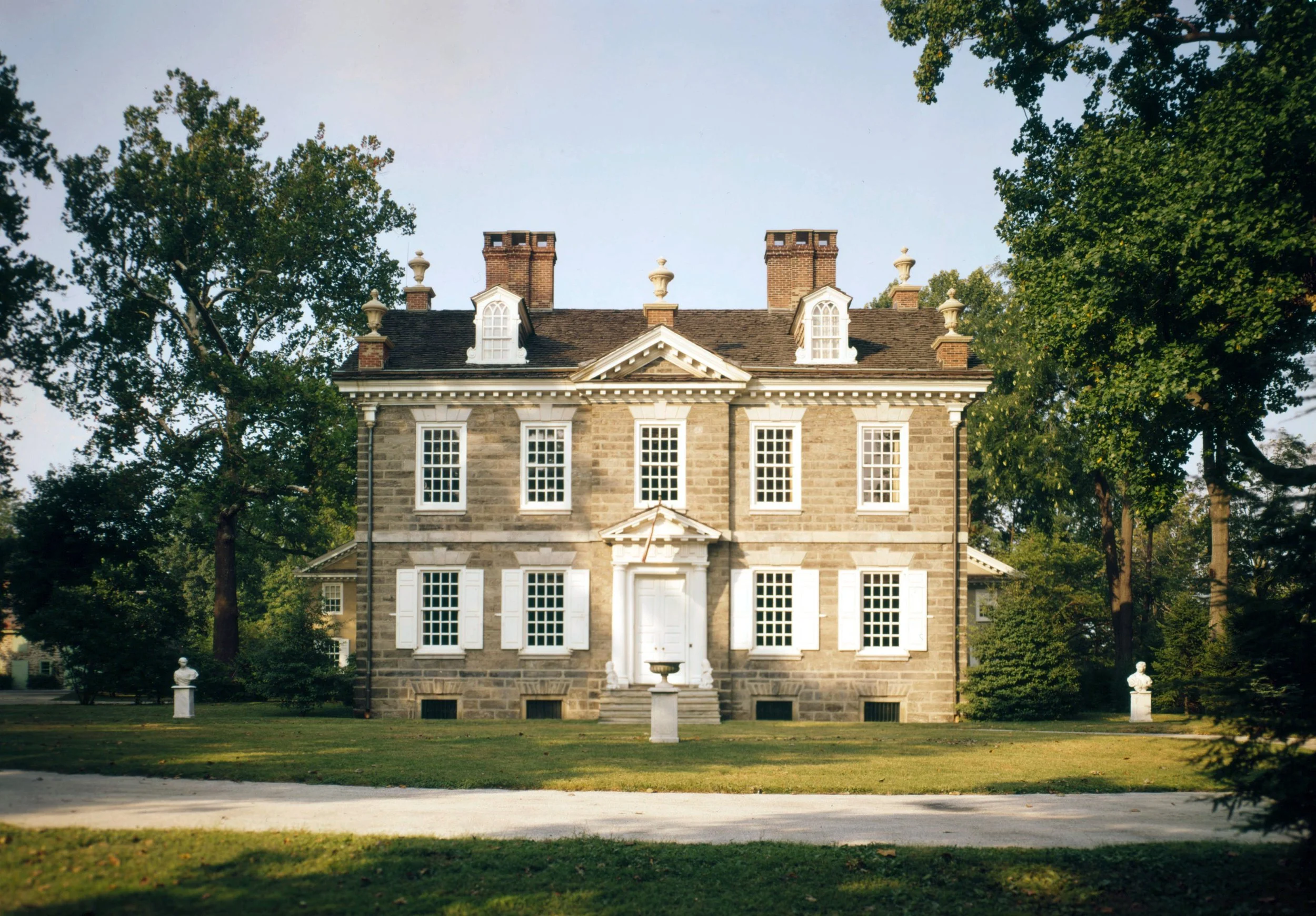
Cliveden Mansion, Philadelphia
Charity disappeared.
CCH writes to his father claiming no desire to return Charity, but reveals his deep malice for the woman’s persistent desire for freedom. CCH also anticipates a lawsuit from Charity, probably because of the last twenty years of lawsuits from the Queen family. Charity would never be given an official certification of freedom. The last correspondence about her whereabouts was a Christmas Eve 1814 letter written to CCH that Charity was with her husband and would return if called upon “properly.” What happened after is a mystery.
This Christmas may have had a profound effect on the 14-year-old CCD, who, when the opportunity arose, would exact his vengeance on the people who labored for his father at Homewood. But we’ll talk about that later.
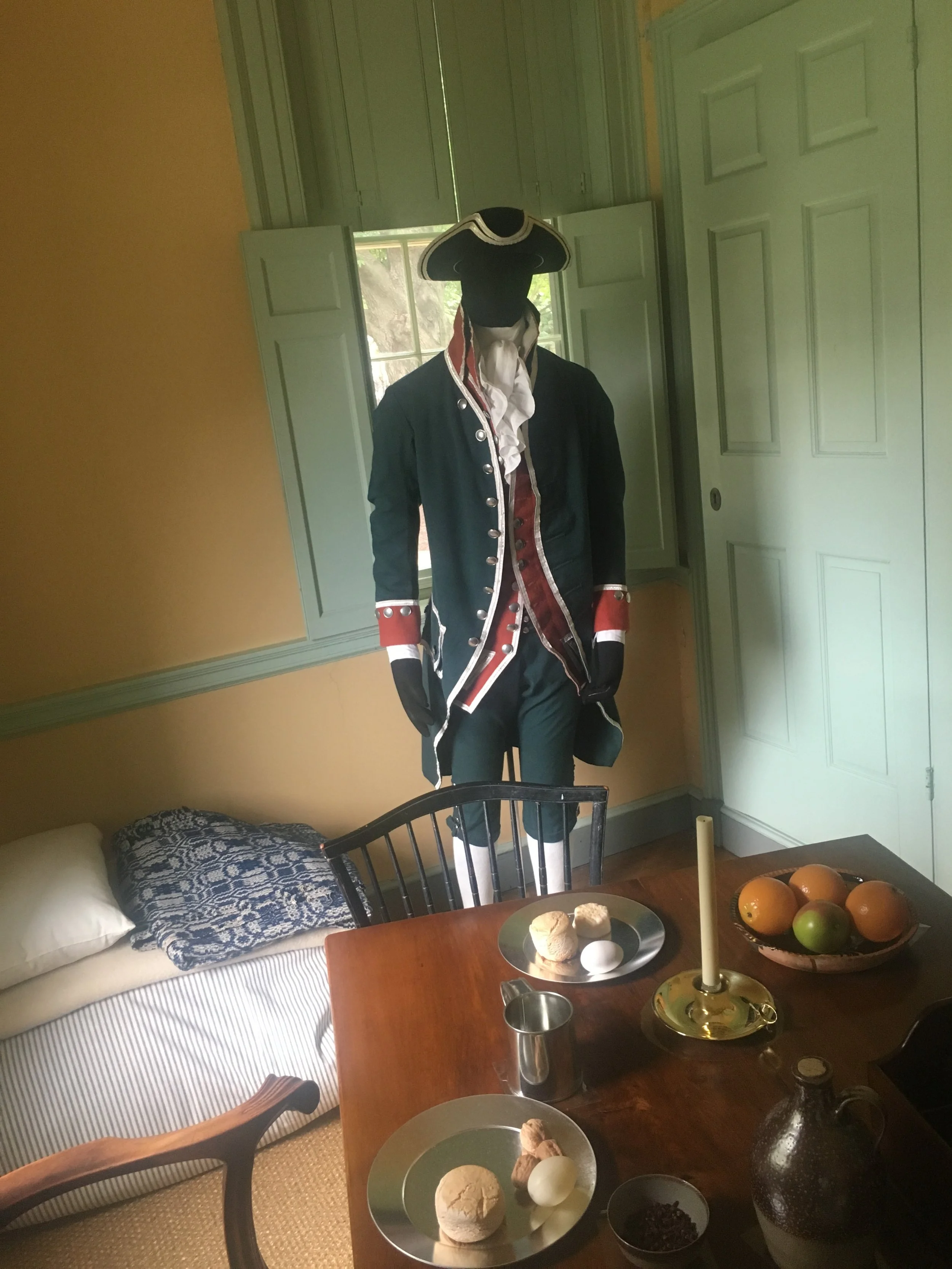
Actual Carroll slave uniform, placed in William Ross’ room at Homewood
William Ross
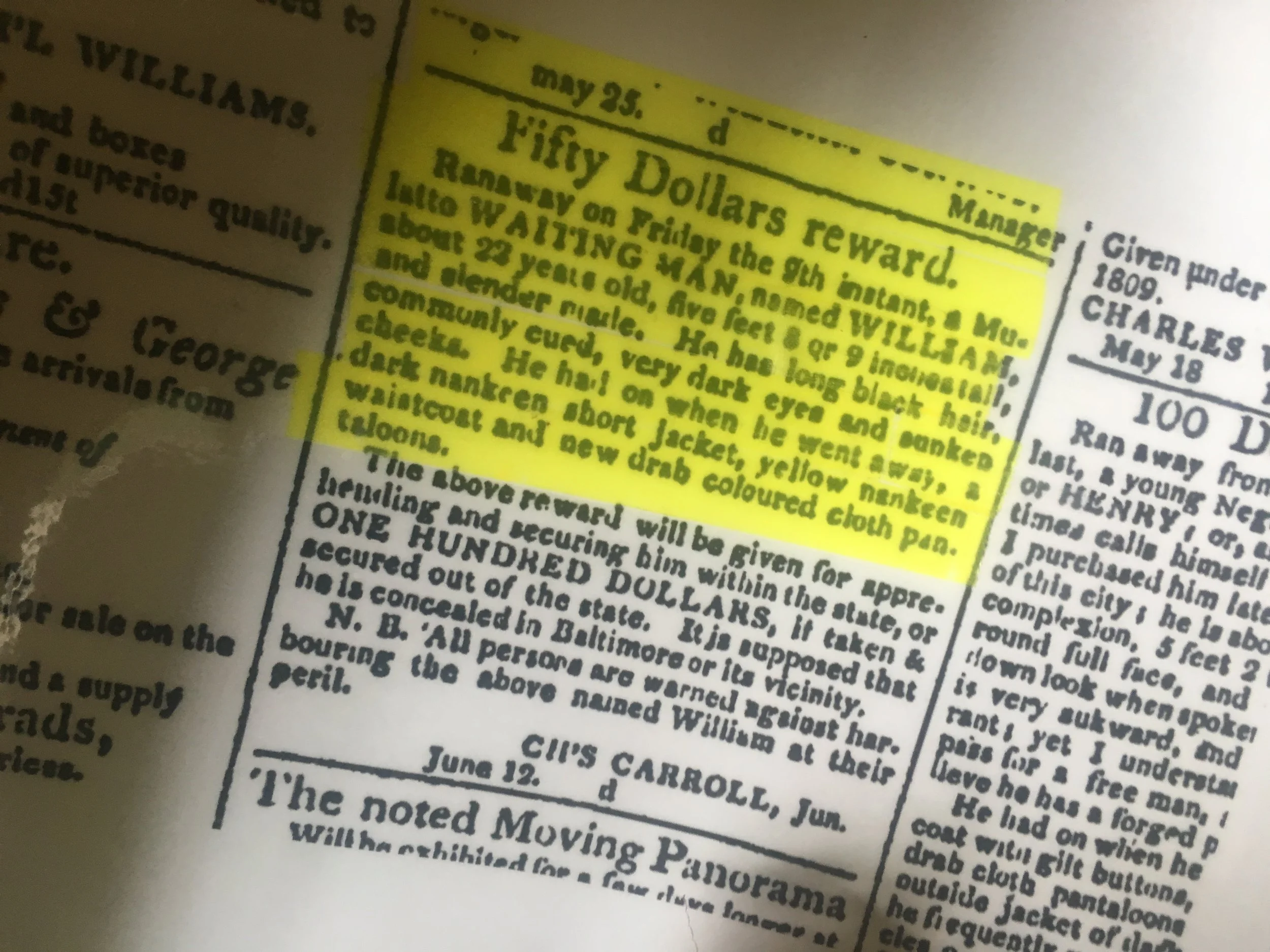
A different outcome occurred for William Ross, the personal valet of CCH, and possibly a brother or cousin of CCH. Ross was a mulatto man that had been raised with CCH from early childhood, and even had his own small room in front of the Homewood House. Ross ran away to Philadelphia and also ran away in Philadelphia when the family was visiting. Though William is briefly sent to Georgia as punishment for his conduct, he returns “better behaved” and moves to Philadelphia after he is manumitted at CCH’s death in 1825. Prior to the cotton gin and the country’s push to double down on slavery, Carrollton was desperately trying to figure out how to get rid of enslaved people whose growing sense of personhood after the Revolution began to creep into his margins. At the turn of the century, he and the Jesuits were being sued by multiple enslaved people whom they had wrongfully enslaved; it was an expensive and public scandal.
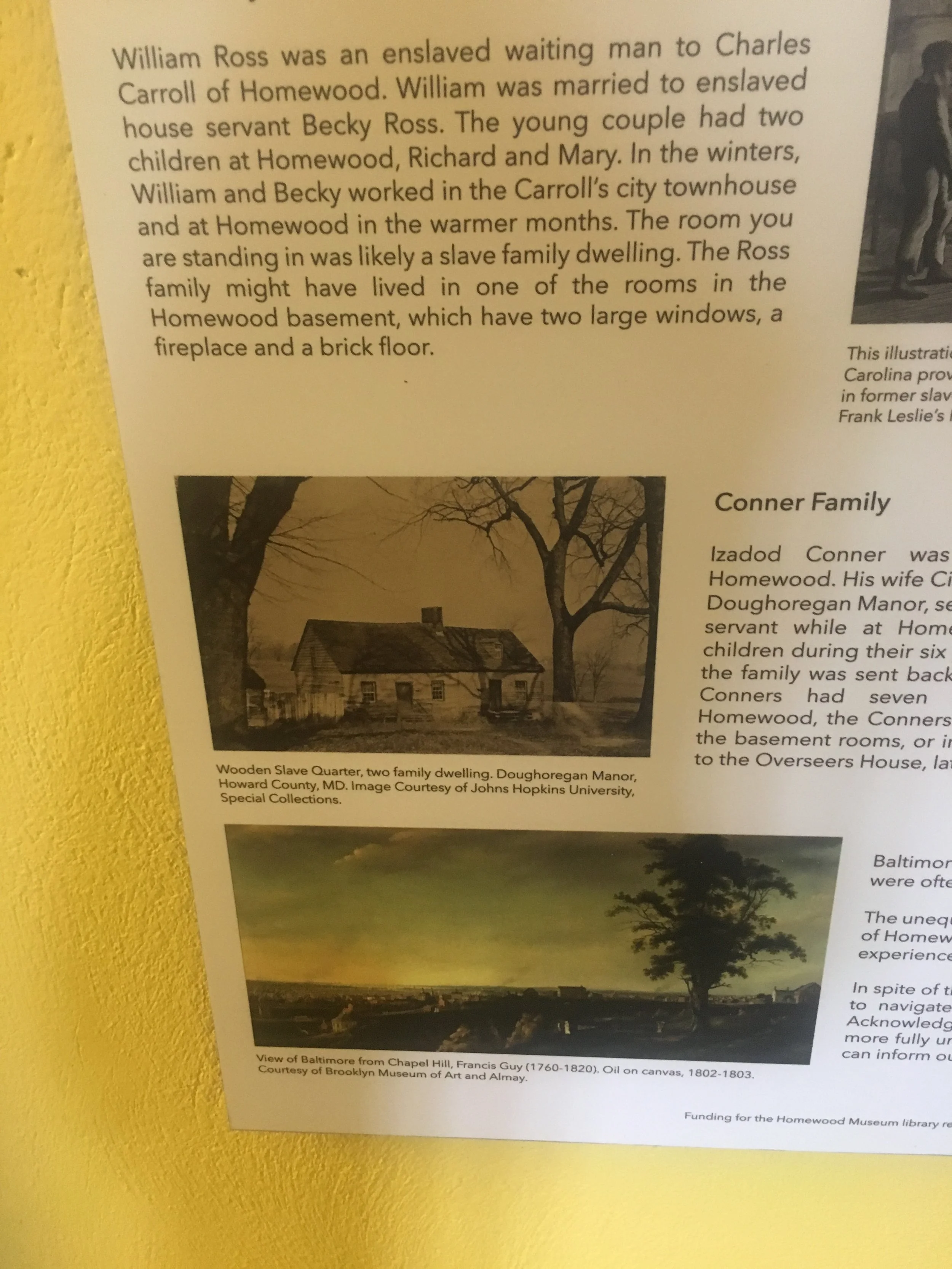
This Johns Hopkins created plaque does not talk about the numerous times William Ross ran away to Philadelphia, or how he was sent to Georgia to punish him for the running.
However, CCC’s enthusiasm for the American Colonization Society (ACS) is one of the few instances where CCC felt he could make sense of his participation in the slave trade and his reputation as religious liberator. By facilitating black people’s return to Africa, CCC could be like Charles II who rewarded the charter for Maryland to the 2nd Lord Baltimore. But through his participation in the ACS, he would bring harmony to the inequity that had made him wealthy and powerful. Black free and enslaved people in the United States alike, however, had other plans.
For black people, the return to Africa, like the return to the Kingdom of Heaven, would be on their own terms, not terms of their masters. And though small numbers of black Americans would emigrate to Liberia, more would stay and grapple with their current known reality instead of the unknown.
American Colonization Society (1816-1964)
The American Colonization Society was pharaohs attempt to let Moses’ people go. But most black Americans refused to colonize Africa.
For the slave owners of Maryland, and the abolitionists who sought to compromise with them, the beliefs of the enslaved people did not matter. “In December 1816 at Washington’s Davis Hotel, Francis Scott Key joined Senator Henry Clay, Senator Daniel Webster, Congressman John Randolph, General Andrew Jackson, and President-elect James Monroe at the founding meeting of the American Colonization Society. Rober Finley, a Presbytarian minister from New Jersey and director of Princeton Theological Seminary, called the first meeting and acted as its leading light. Finley and other Northern whites warmly embraced colonization as the best means of encouraging Southerners to end slavery. Clay agreed to chair the distinguished group.”
The founding fathers had replaced the pyramids of Giza with pyramidal mortgage schemes on enslaved Africans, the lives of enslaved people could be leveraged and borrowed against. The way the enslaved people were just assets on a page to be conveniently bundled into larger assets would prophecy the predatory lending schemes of the early 21st century that sought to exploit segregation and black poverty resultant from slavery. The end of the international slave trade, celebrated by hopeful black people as the first Emancipation Day, only limited the supply and further enriched the existing slave owning caste. The enslaved people they owned just became worth more money, and each child they brought into this world a more valuable asset. Maryland slave owners would be especially benefited by this development because their proximity to free states made the black men they enslaved, and the free black men they kidnapped, worth more money.
The first American investment bank was founded in Baltimore in 1801, and as the foundations of the domestic slave trade were being built, the Carrolls and their Eastern Maryland neighbors were ahead of the curve. The Carrolls had been prospecting land and trading with Catholics in Louisiana for years before the end of the Atlantic Slave trade. After 1801, Baltimore became even more of a hub of the financial activity around slavery. What if the founders didn’t end the importation of enslaved people to the US to increase freedom for black people? On the contrary, what if their primary motivation was to increase the value on the slaves that they already had? As the demand for tobacco declined and cotton became king, the Carroll’s expanded the leasing and trading operation that they financed through the Jesuits. The Carroll enslaved people lived alternatively in Baltimore, Annapolis and Jesuit farms in Charles County. These different locations had very different levels of freedom for black enslaved people. As Frederick Douglass noted in his Autobiography in the early 19th century, black enslaved people in Baltimore City were nearly free. There was a large community of free black people in Baltimore, and enslaved people were generally more free in the city. But this must have been complicated for the Carroll enslaved. Going from the free black city of Baltimore, to the tyrannical Charlie and the Tobacco/ Iron factory 10 miles in each direction.
“The internal slave trade became the largest enterprise in the South outside of the plantation itself, and probably the most advanced in its employment of modern transportation, finance, and publicity. It developed its own language: prime hands, bucks, breeding wenches and fancy girls. It routes, running counter to the freedom trails that fugitive slaves followed north, were similarly dotted by safe houses-pens, jails and yards that provided resting places for slave traders, as well as, temporary warehouses for slaves. In all, the slave trade with its hubs and regional centers, its spurs and circuits, reached into every cranny of southern society. Few southerners, white or black, were untouched.’ In this view, the Second Middle Passage was a constitutive element of an emergent regime of truth central to the migration generation-that is a way of talking, thinking, and representing …”
The Carrolls were up on all this language. They had given slavery a last minute adrenaline shot by cutting the supply and financing production of the cotton gin, now if only they could get all the old and infirm enslaved people back to Africa. This is where the American Colonization Society came in.
“Carroll became as enthusiastic about the Colonization Society as he had been about gradual abolition. He thought that with a colony established in Africa, the prospect of a south purged of slavery (i.e, black people) became more than an idealist’s dream. More personally, he saw opening before him the way in which he could free all of his own slaves without creating the problems of discontent and double standards and possible uprising in his community.”
Again, Hart-Smith is bending over backwards to defend CCC’s disdain for black people. What this passage is barely disguising is the fact that black slaves were not the motivation for the creation of the “Society,” rather it was to free the blacks the founders were concerned about. When Smith says Carroll wanted a South free of slavery, what she means is CCC wanted a South free of free black people.
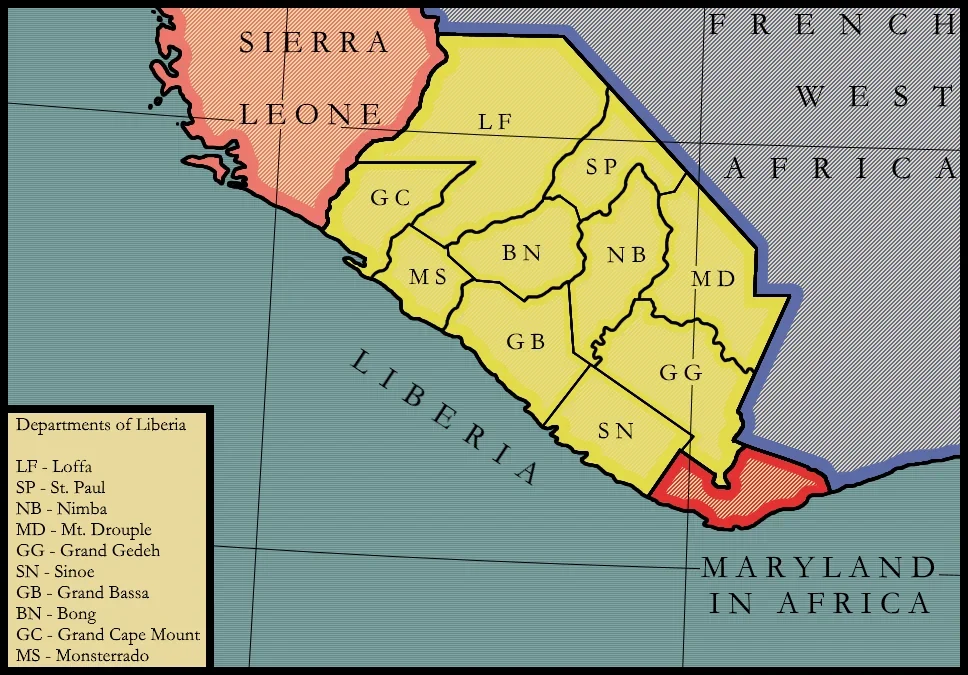
Maryland in Africa (1854-1857)
All the people who created Maryland in Africa were from the Carrolls inner circle. More specifically, they were Carroll’s lawyers.
For the Carrolls, the freer the black people, the more urgent the need for relocation. Baltimore had more free black people than any other city in the colonies, and Marylanders were so anxious to remove them that they created their own settlement South of Liberia, when “the Society” wasn’t moving fast or thoroughly enough to their liking. “To ‘the Society,’ as he always called it, he gave his time and energy without stint, and the undeniable prestige of his name, and when Bushrod Washington, Supreme Court justice, nephew of President Washington and President of the American Colonization Society, died [Carroll] became its president.” Bushrod Washington wasn’t just George Washington’s cousin and Carroll family friend, he was a Supreme Court judge.
The prevailing demonization of free black people, combined with the lawsuits, may have been the reason CCH acted out, more than the other slaveholding elites in Baltimore. He built the expensive house in Baltimore to differentiate himself from his enslaved brothers, sisters and cousins. Some of whom were suing his father and Jesuit cousin-uncles for freedom, and winning. If his black family, and poor decision-making were costing him social clout, CCH overcompensated with violence and lavish spending. His son witnessed the unraveling of his father and family, and we can guess by how things turned out that he blamed black people. For CCH’s son, it was the Charity Castles and Isadod Conners that ruined America, not greedy slave traders and financial prospectors seeking to leverage and widen the gap between them and a growing white immigrant class. The Carrolls framed black people as the reason for their ills, rather than their wealth, and the ills of the nation the way contemporary white Baltimoreans (or least the Baltimore Sun) do: White Baltimorean youth are addicted to heroin because crafty moralless black dealers, not empty White religion, undeserved privilege, and at least two hundreds year-old legacy of heroin addiction/alcohol abuse with the accompanying medical infrastructure enabling it.

Flag of Maryland in Africa
Most black Americans did not want to emigrate to Liberia. But in the minds of the American Atlantic Society’s white elite, sending free black people to Africa was the perfect solution to uniting North and South whites around a common interest. For the white supporters of the Society, they envisioned themselves empowering the black Americans to do what they had done in colonizing the United States.
CCH died in the Annapolis house. Once the center of political life for Senator Carroll (CCC), the Annapolis house had now been abandoned by the family, likely because of the horrific things done to black people there, especially children born out of rape. CCH was at home. The same would happen to Homewood, likely because of the things that happened in this chapter. After his death the house was given to the Redemptorist Church, that would eventually house refugee priests fleeing to safety of American slave masters from the black Haitian rebels. These white slaveowning priests, no doubt informed the war on the black spiritual life on Carroll plantations. Warning them about the power of black religion to create revolution. The Civil War was another thirty plus years away, and the redemption that followed it even farther. But the seeds were being sewn. In many ways the American Colonization Society was slaveholding classes attempt to preemptively avoid the Civil War. But black Americans, for the most part, refused the role of colonizer.